
Mufflers
Filters

Comprehensive Guide to Buying Pneumatic Mufflers
Pneumatic mufflers or silencers are versatile components that enhance safety, comfort, and efficiency across various applications. Their use is critical in noisy environments, systems prone to contamination, and situations where precise pressure control is necessary.
General Guidelines
Whenever Noise is a Concern: If the pneumatic system's operation produces disruptive or harmful noise levels, a muffler is advisable.
Where Contamination is an Issue: If the exhaust air from the pneumatic system needs to be kept clean to protect the environment or equipment, mufflers can be a valuable addition.
Safety-Critical Systems: In systems where managing exhaust pressure is crucial for safety, using mufflers with pressure relief valves or regulators is essential.
Understanding the Types of Pneumatic Mufflers
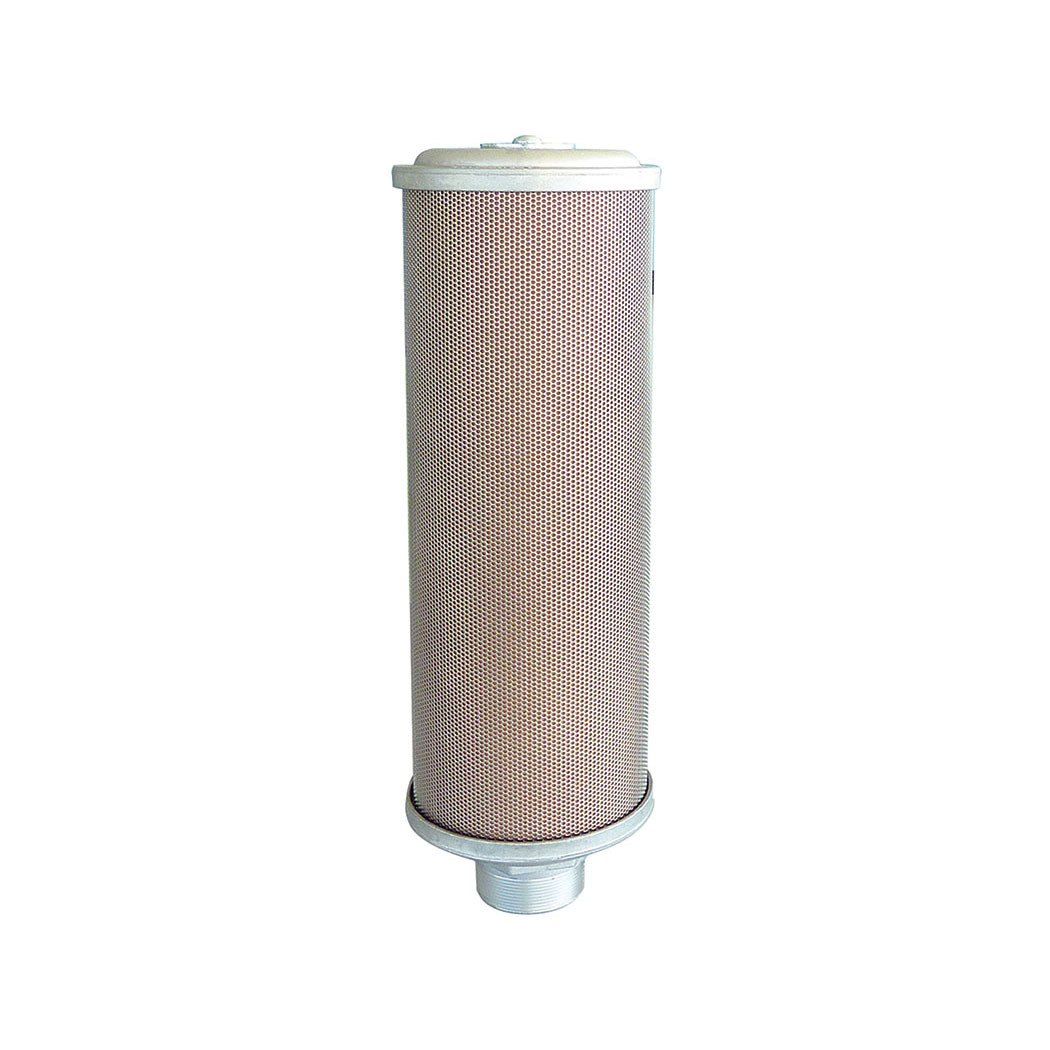
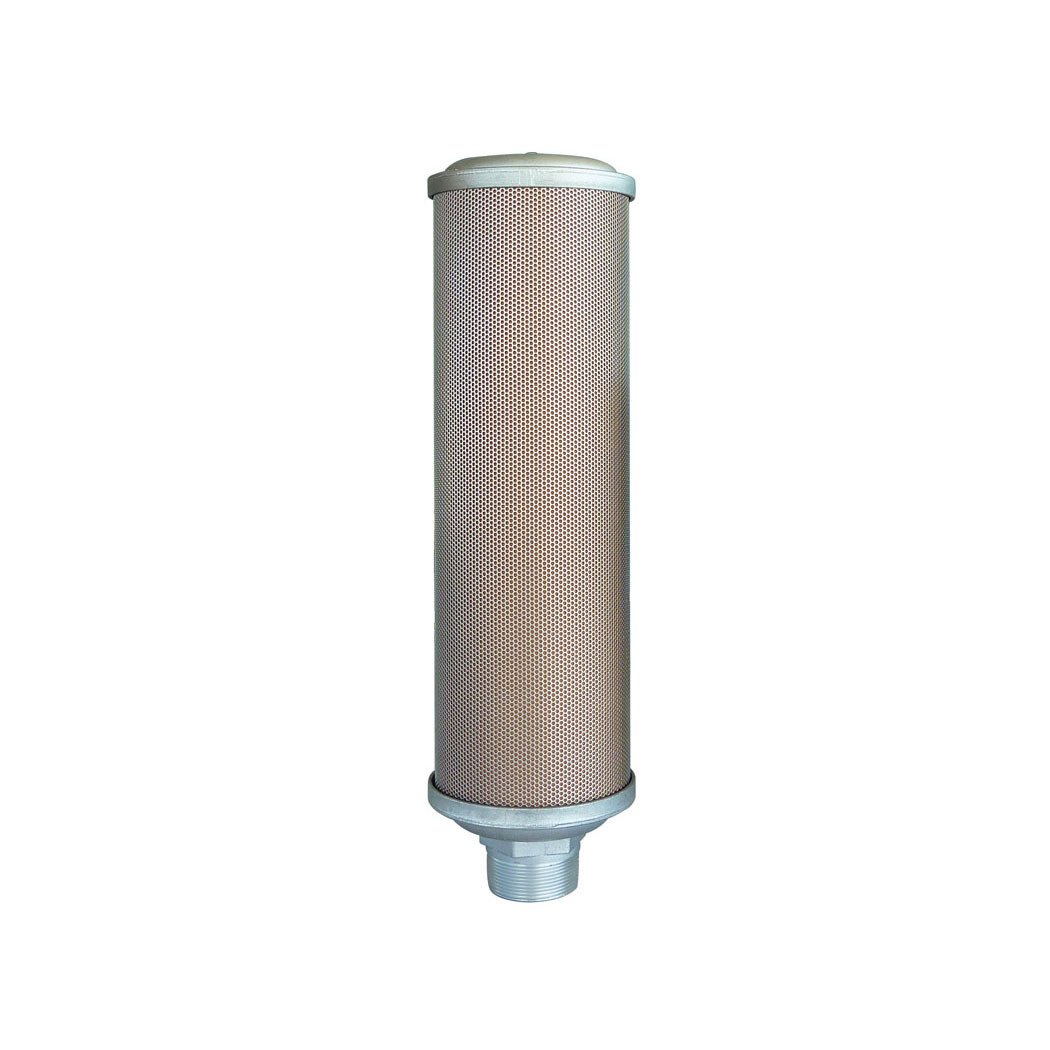
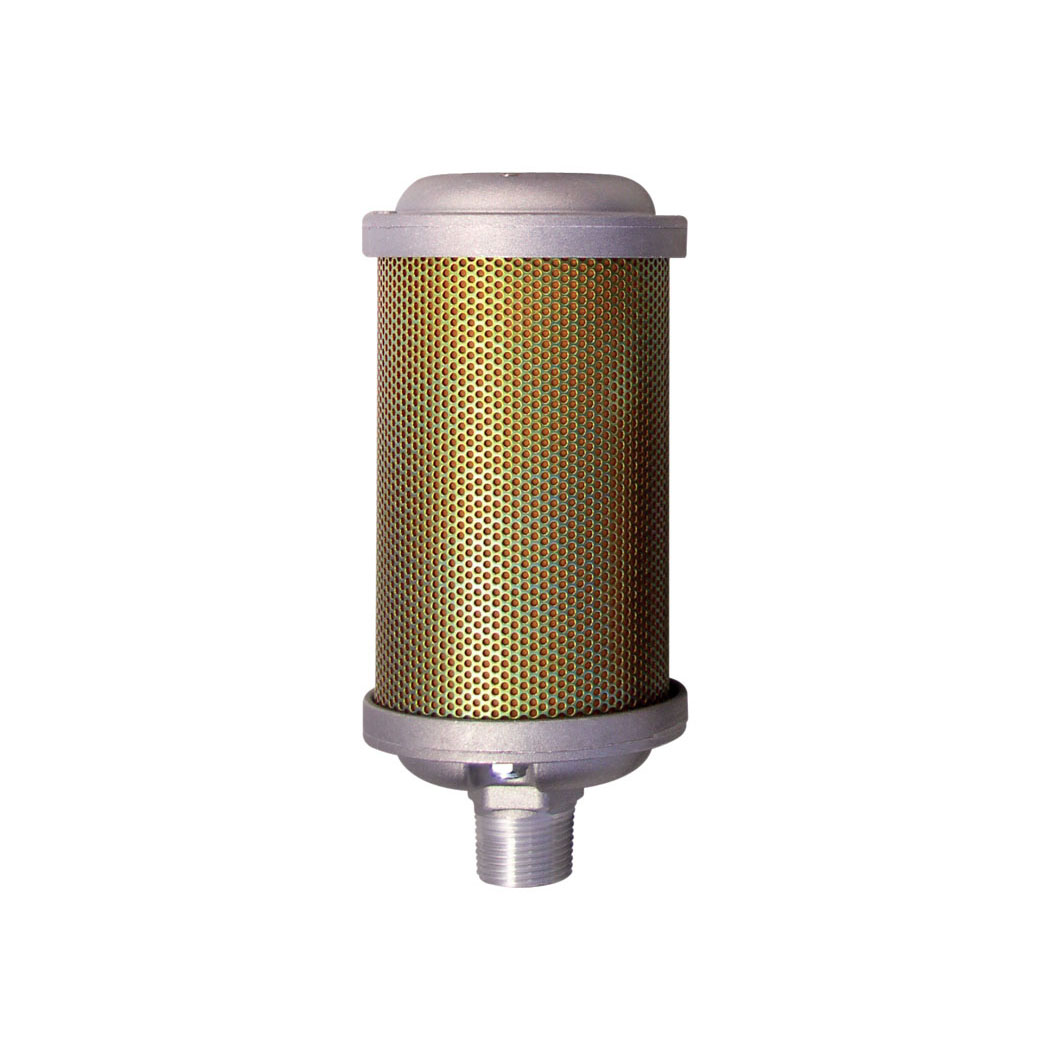
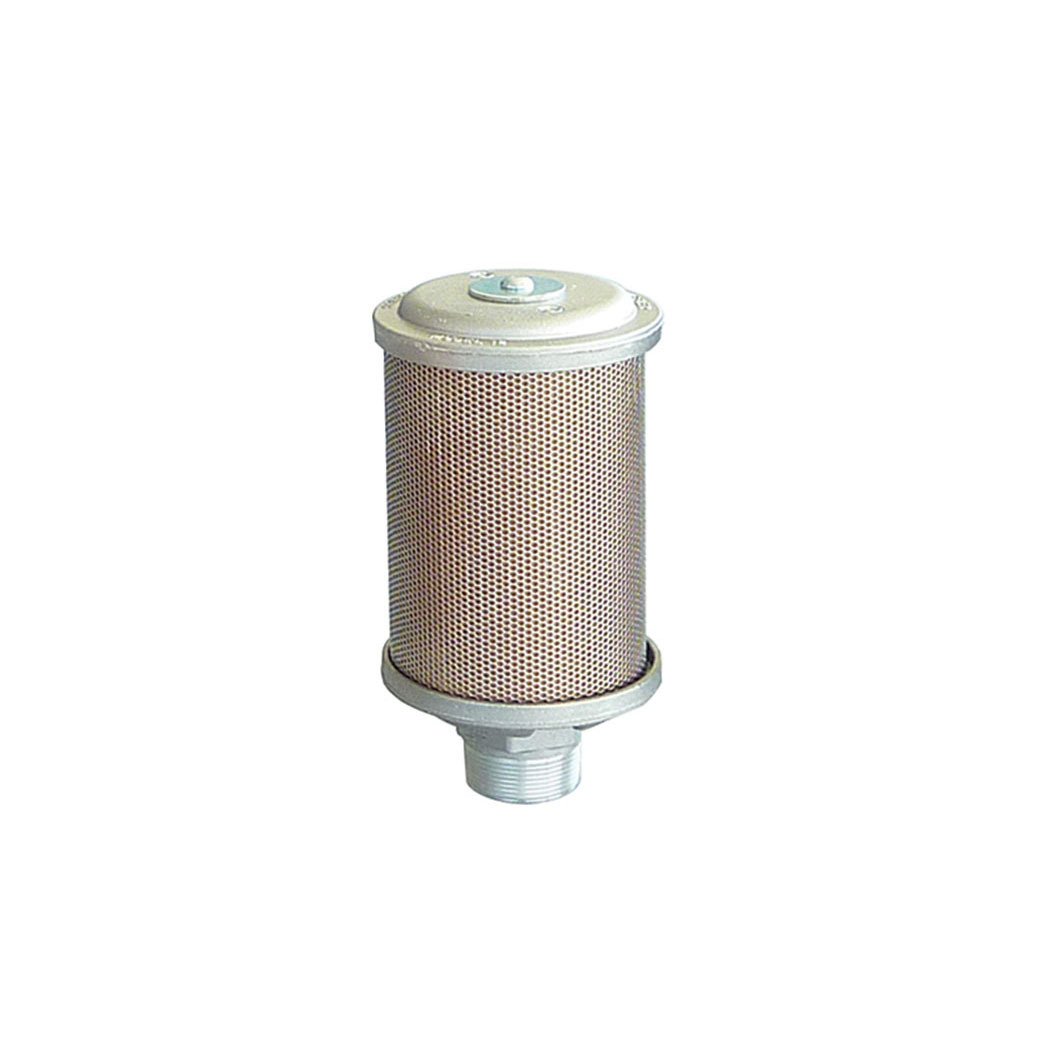
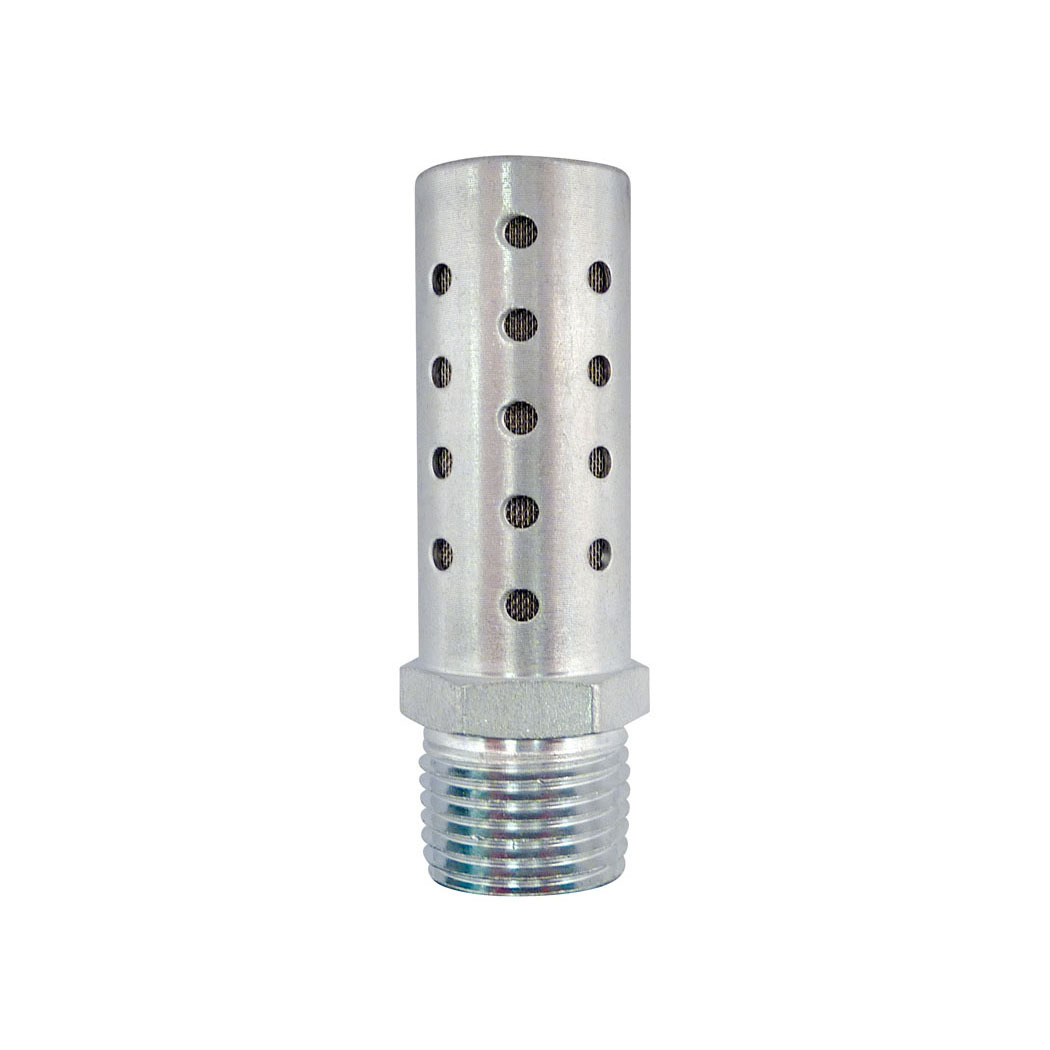
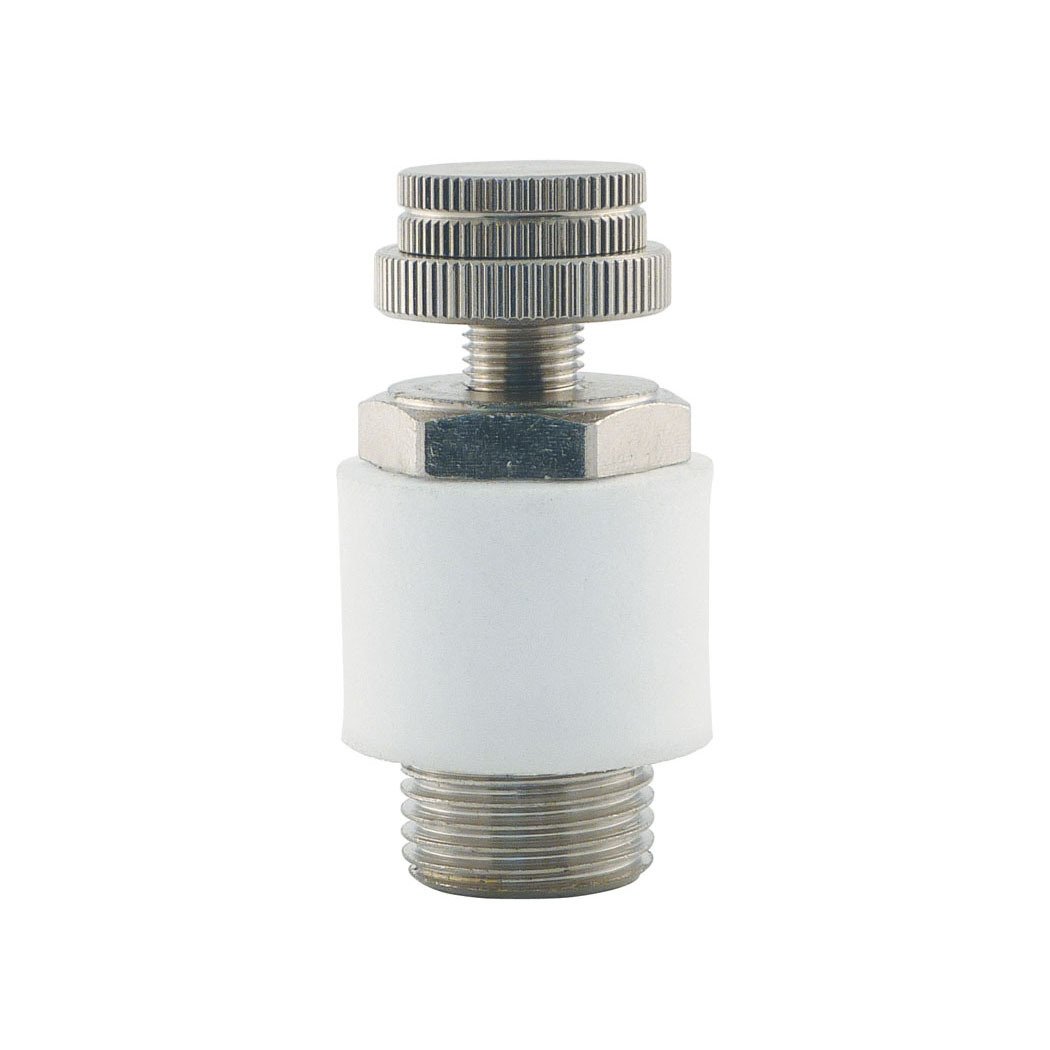
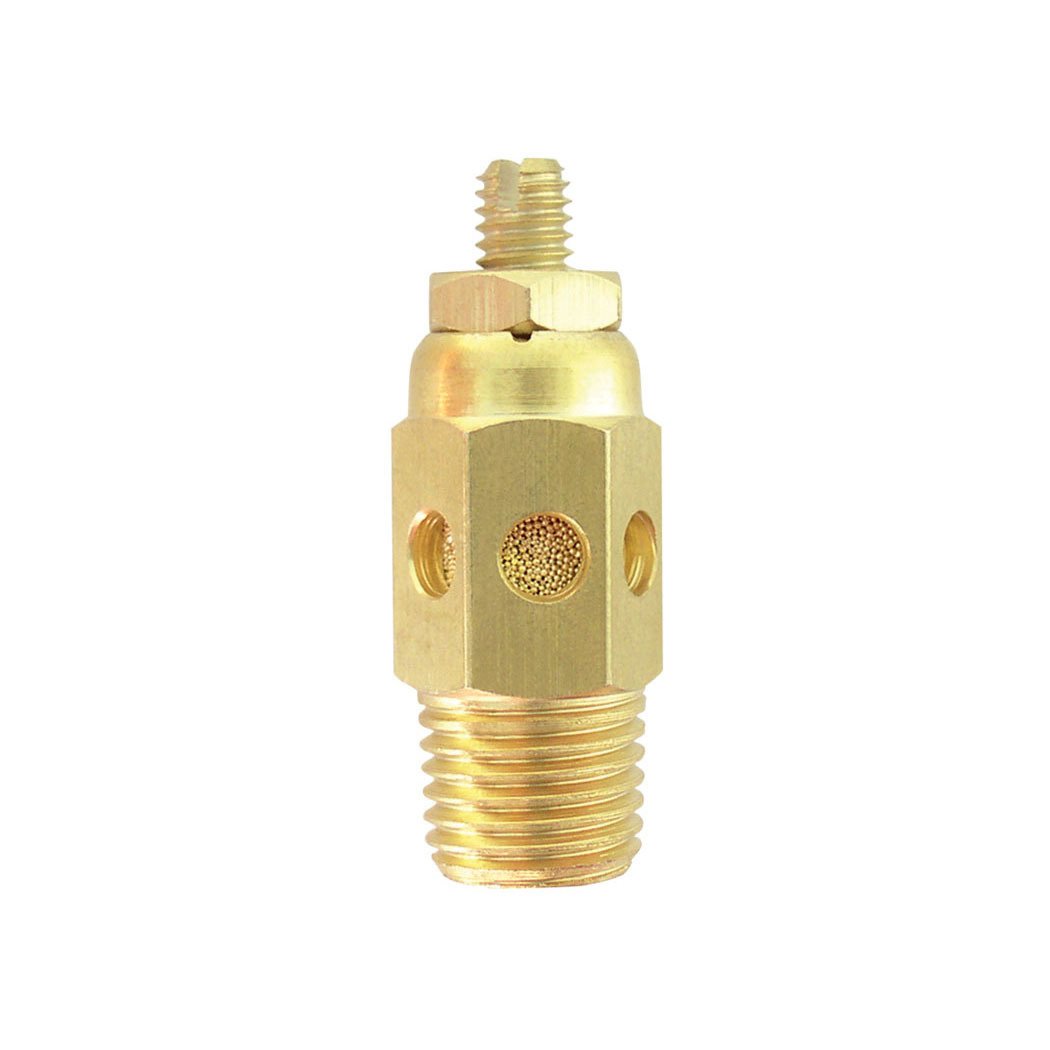
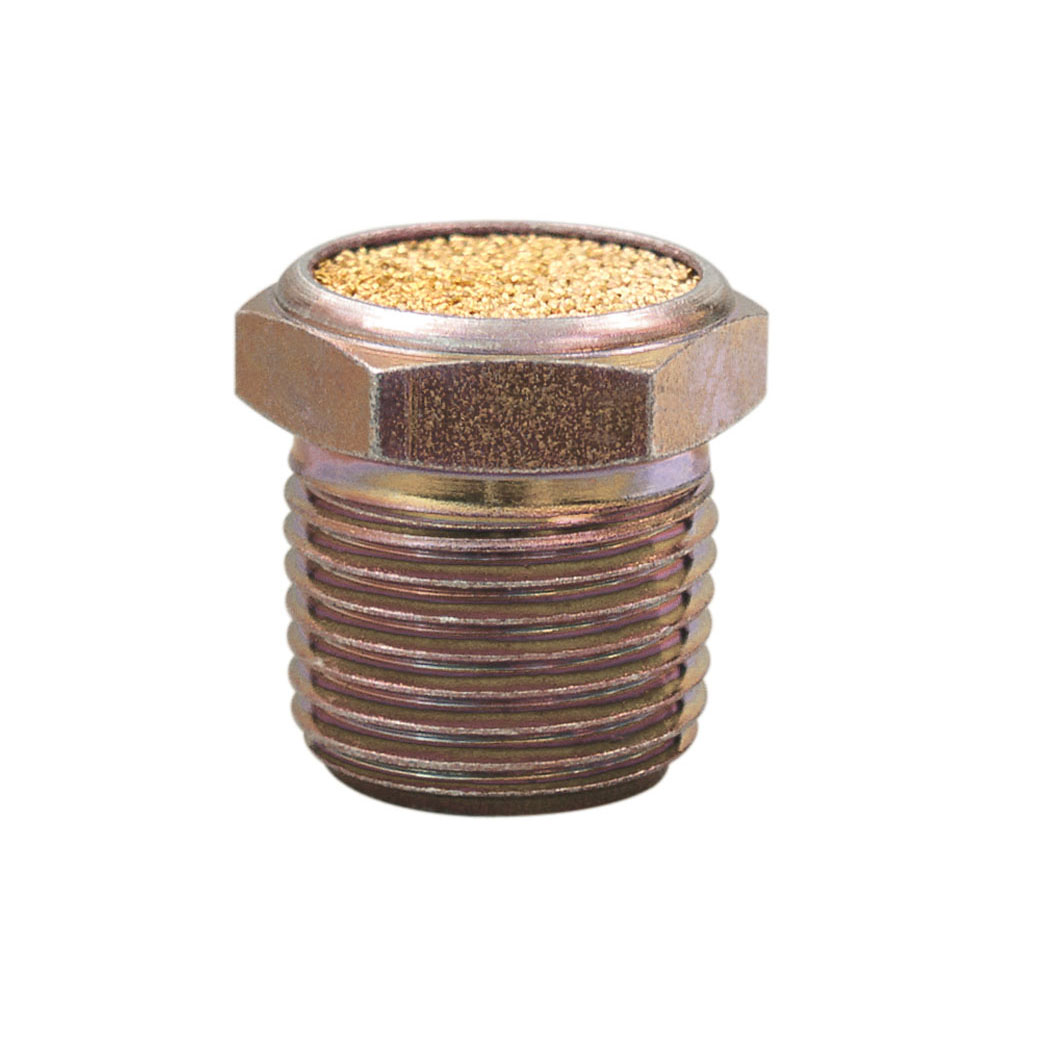
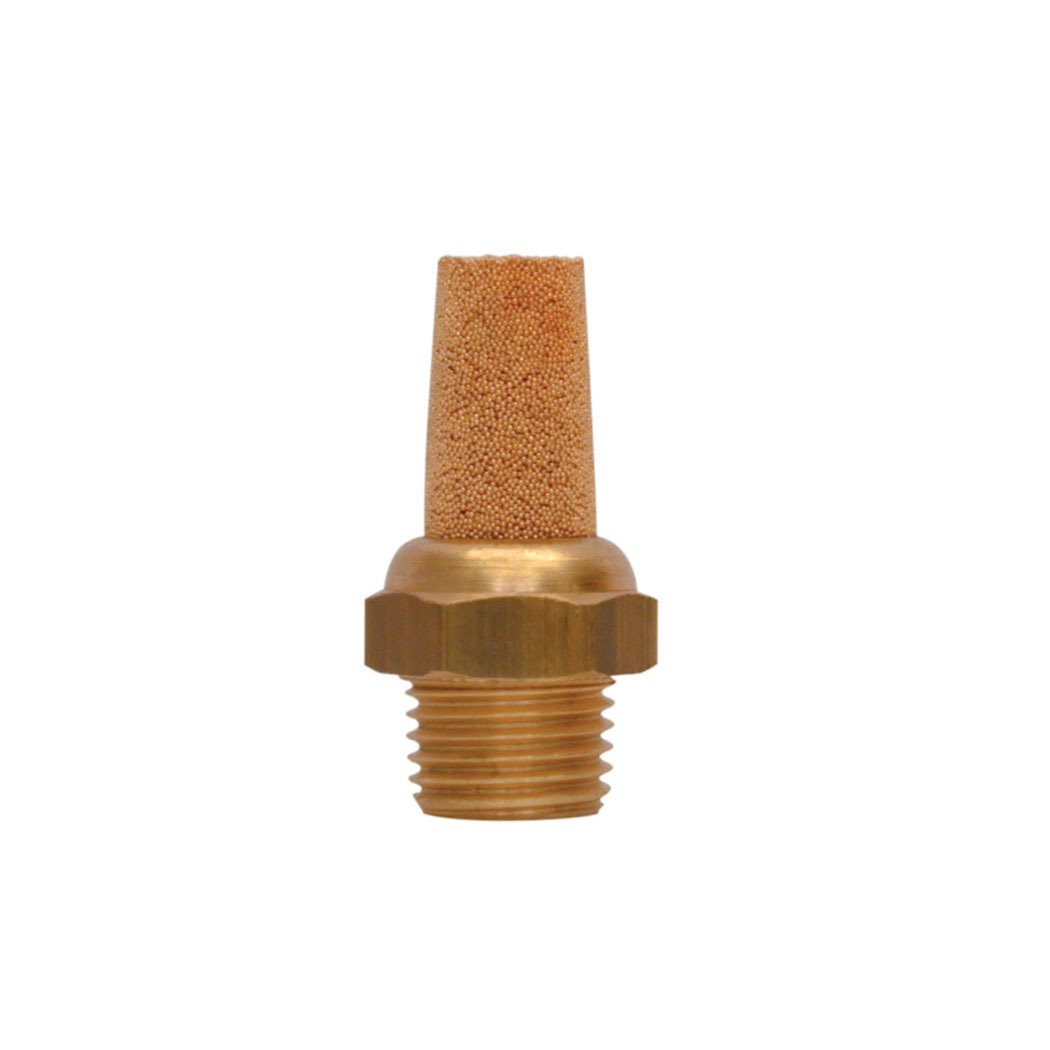
Regular Mufflers: These are standard noise-reducing devices suitable for most pneumatic applications. They are typically made from sintered bronze, stainless steel, or plastic and are used to reduce noise from air exhaust.
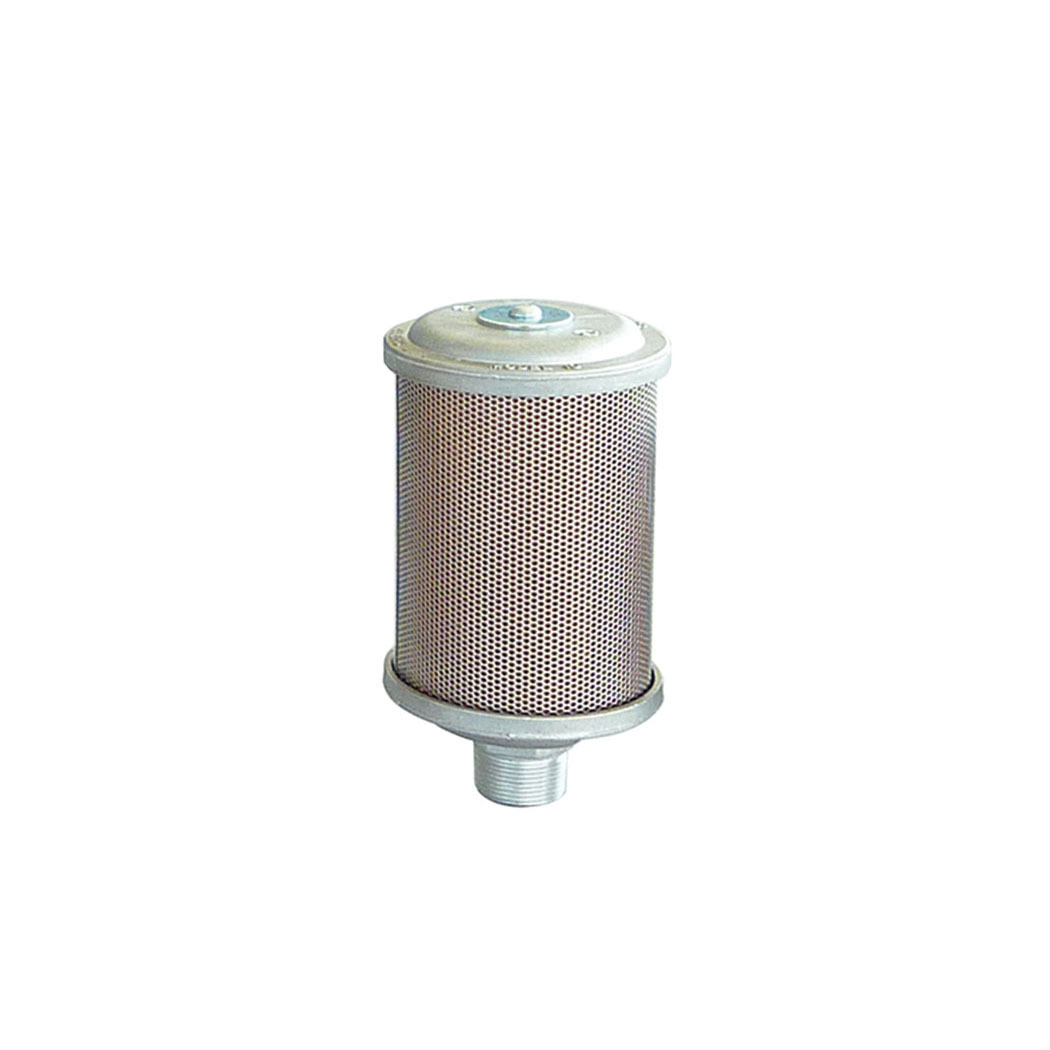
Exhaust Mufflers: Specifically designed for controlling noise from exhaust air in pneumatic valves and cylinders. These mufflers often have a porous design to diffuse air gradually, reducing noise effectively.
Mufflers with Pressure Relief Valves combine noise reduction with overpressure protection, making them ideal for safety-critical applications. The integrated pressure relief valve releases excess pressure while dampening noise.
Mufflers with Regulators: These feature built-in pressure regulators to control exhaust air pressure and reduce noise. They are perfect for applications where precise pressure control is necessary.
Key Features to Consider
Material:
Polymer:
- Lightweight and Corrosion-Resistant: Ideal for mobile equipment and corrosive environments.
- Cost-Effective: Suitable for general-purpose applications.
Stainless Steel:
- Highly durable, excellent for high-pressure, high-temperature, and corrosive environments.
- Provides superior noise reduction and longevity.
- Best for heavy-duty industrial applications
Size and Connection Type: Ensure the muffler fits your pneumatic system’s outlets. Check the thread size and type (e.g., NPT, BSP) to ensure compatibility.
Flow Capacity: Select a muffler that can handle your system's air flow rate without restricting it. This is crucial to maintaining system efficiency and performance.
Noise Reduction Level: If noise control is a primary concern, look for mufflers with high noise reduction ratings. Check for decibel reduction ratings to help you compare products.
Consider the type, material, size, flow capacity, and specific application needs to choose the ideal muffler. For the best results, opt for reputable brands and follow proper installation and maintenance practices.