
Desiccant Dryers
Filters
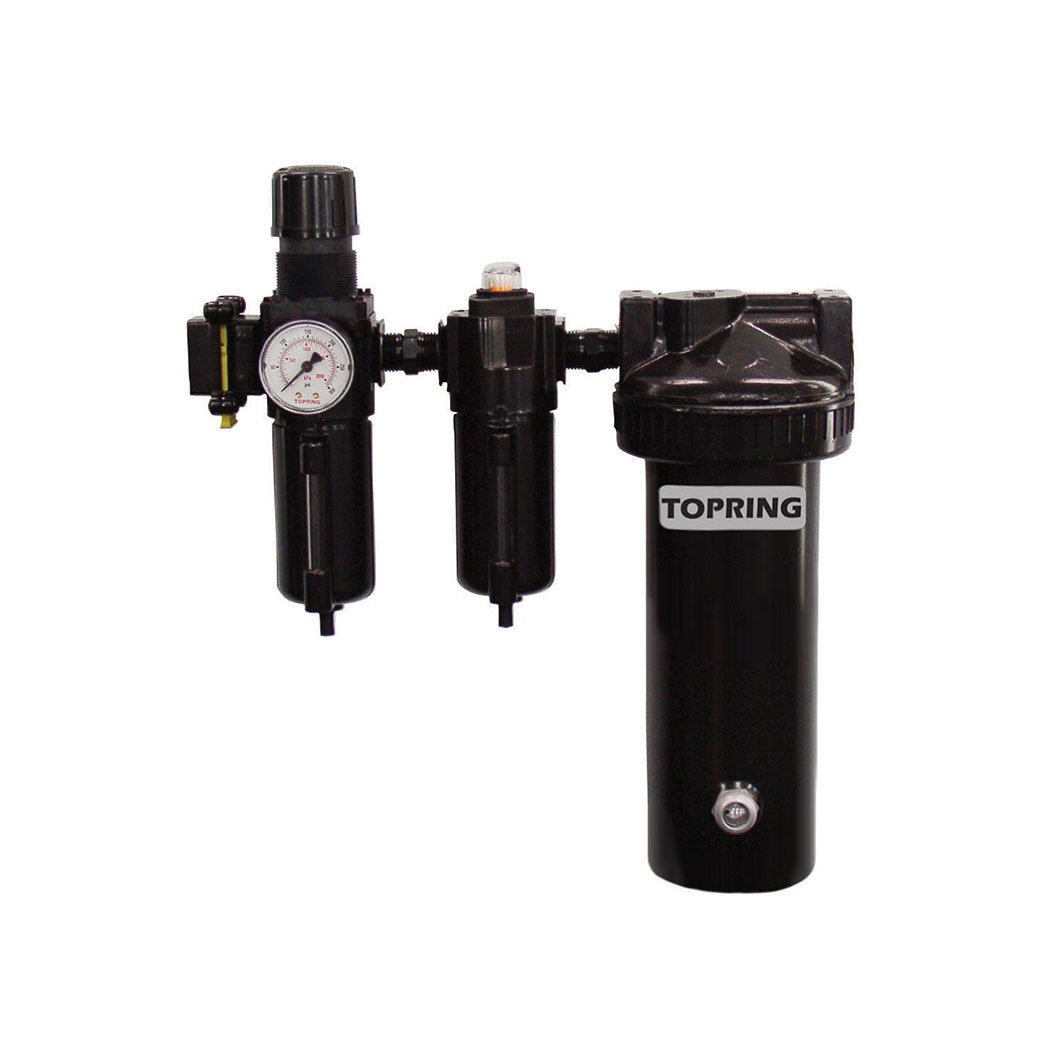
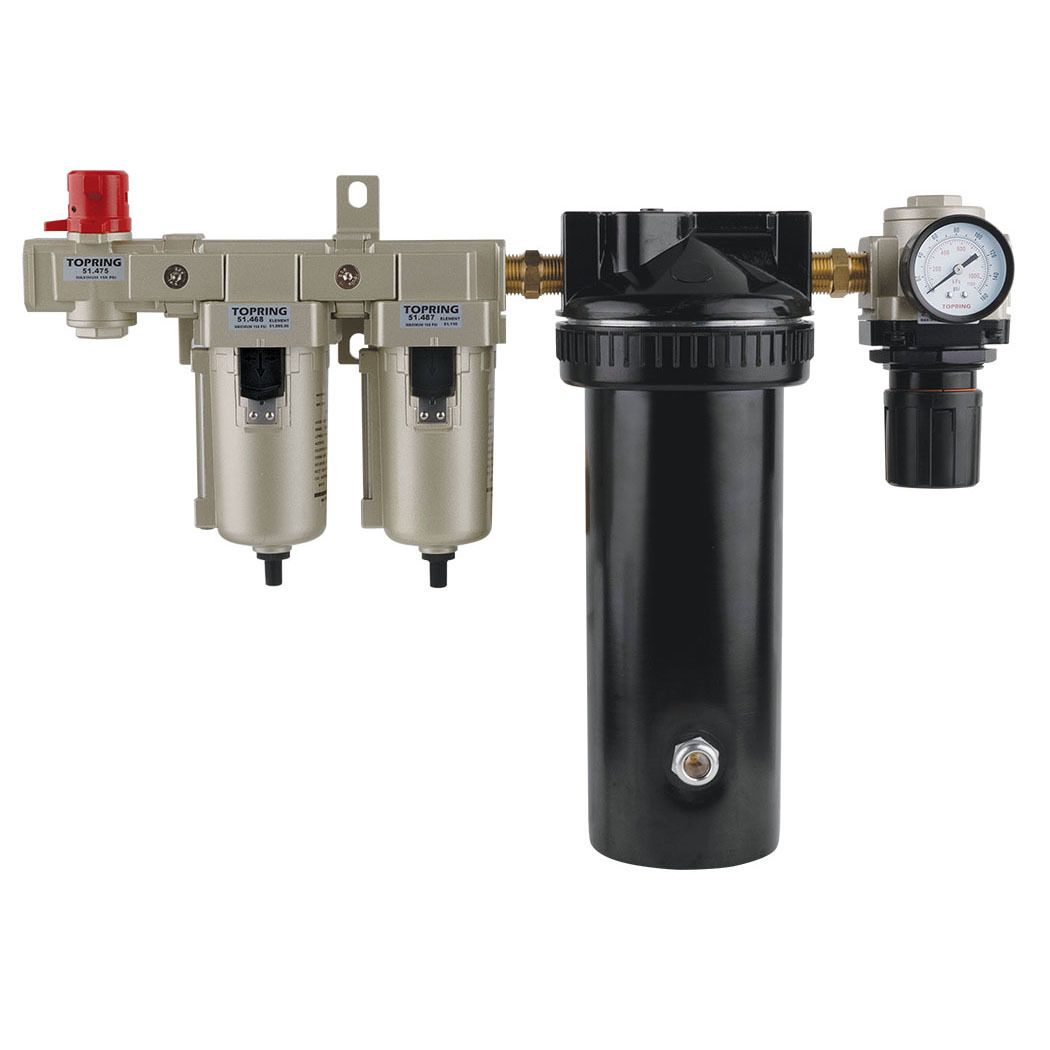
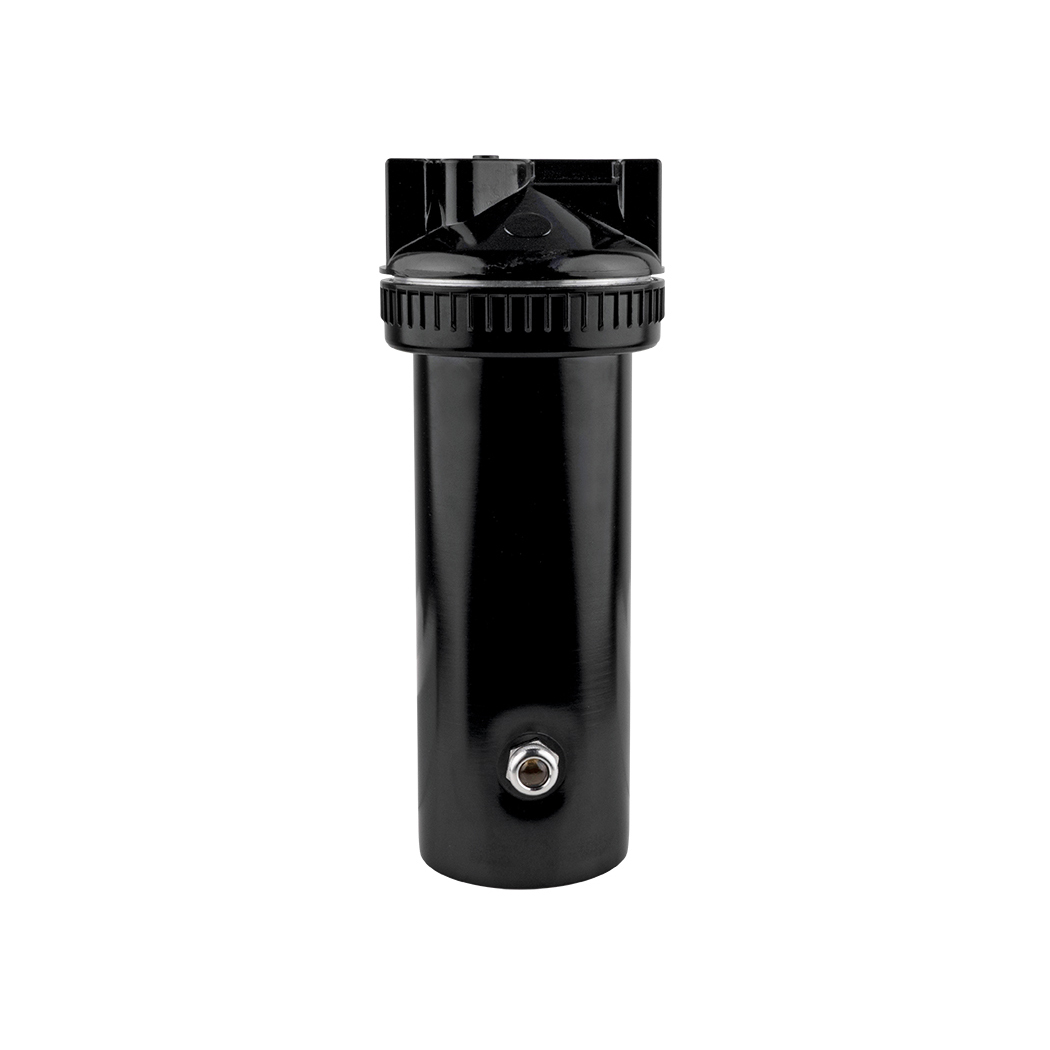
Desiccant Dryers
Desiccant dryers use adsorption to remove moisture from compressed air. They employ a porous desiccant material, such as silica gel which attracts and holds the water vapour. No cooling process or electricity is required for these dryers to work and are installed close to the point of use of maximum efficiency.
Not all compressed air systems require ultra-dry air. However, a desiccant dryer becomes necessary when moisture creates operational or quality issues.
Pharmaceutical production, body shops, automotive, industrial maintenance and electronics manufacturing are all examples of applications where extremely dry air are required. Desiccant dryers are also capable of handling fluctuating air demand and operating in harsh environments.
You should consider a desiccant air dryer if you experience:
-
Moisture affecting paint or surface finishes
-
Corrosion in pneumatic tools or air lines
-
Condensation in compressed air systems
-
Freezing issues in cold environments
-
Inconsistent performance in sensitive applications
Key Factors When Choosing a Desiccant Dryer
Required Dew Point (Air Dryness Level)
Desiccant dryers are designed to achieve very low dew points (as low as -40°C).
-
Standard applications → may not require a desiccant dryer
-
Critical applications → require ultra-dry compressed air
Choosing the correct dryness level ensures performance without unnecessary cost.
Air Flow Capacity (SCFM)
The dryer must match the airflow requirements of your compressed air system.
-
Undersized dryer → reduced drying efficiency
-
Proper sizing → consistent moisture removal
Always select a desiccant dryer that meets or exceeds your system’s flow demand.
Filtration and Air Quality
Pre-filtration plays a key role in dryer performance.
For best results, install your desiccant dryer with:
-
Particulate filters (to remove debris)
-
Coalescing filters (to remove oil and fine contaminants)
Cleaner air entering the dryer extends desiccant life and improves efficiency.
Desiccant Dryer vs Refrigerated Air Dryer
Choosing between a desiccant dryer and a refrigerated dryer depends on your application:
Desiccant Air Dryer:
-
Provides ultra-dry air (low dew point)
-
Ideal for sensitive or critical applications
-
Best for point-of-use installation
Refrigerated Air Dryer:
-
Suitable for general-purpose applications
-
Lower cost for high flow systems
-
Not designed for ultra-low humidity requirements
Selecting the right desiccant air dryer ensures your compressed air system delivers clean, dry and reliable air where it matters most.
Explore our selection of desiccant air dryers to find the right solution for your application and improve the performance, durability and efficiency of your equipment.